

Single Origin Coffee: What It Means and Why It Tastes Different
Justin VanHoySingle origin coffee is coffee that comes from one defined geographic source instead of a mix of beans from several places. That source might be a country, a growing region, a single farm, a cooperative of farms, or a microlot so small it represents one section of one farm. When you brew it, you are tasting one place rather than a committee decision.
That distinction explains most of what people notice in the cup. A single origin can be bright and floral, or deep and chocolatey, or oddly tea-like, depending on where it grew and how it was processed. A blend, by contrast, is built to taste consistent. Neither is automatically better. They simply do different jobs, and knowing which one you are holding changes how you brew it and what to expect.
What Single Origin Coffee Actually Means
The core requirement is traceability to one source. The beans in the bag all come from the same defined place, with nothing added from elsewhere. A single origin coffee might be labeled by country alone, or it might name the region, the washing station, the farm, and the exact plot within that farm. The more specific the label, the more precise the claim.
The term itself is relatively young. Coffee writing traces its general use to the early 2000s, and it has been used loosely ever since, sometimes accurately and sometimes as a marketing label applied to coffee that does not fully earn it. That is why reading the label matters more than reading the phrase.
Country, region, farm, and microlot
Specificity exists on a scale. At the widest end, a coffee labeled simply by country pulls from many farms across a nation, which can still be a single origin but tells you little about how it will taste. Narrower labels name a region, then a farm or cooperative, and finally a microlot. A microlot is often described as one type of bean from one area of one farm, roasted one way. That is about as specific as coffee gets.
Smaller lots also tend to be more variable. A country-level single origin is a broad average. A microlot is a snapshot, which is why two bags from the same producer in different harvests can taste noticeably unlike each other.
What it does not mean
Single origin does not mean organic, fair trade, or shade grown. Those are separate claims about how coffee was produced and traded. Organic coffee is grown without synthetic fertilizers and chemicals, including pesticides and herbicides, and that standard applies independently of whether the coffee comes from one place or several. A coffee can be single origin without being organic, and organic without being single origin.
Single origin also does not guarantee quality. It is a statement about provenance, not a score. A poorly handled single origin can taste flat, and it can be roasted in ways that bury whatever made it distinctive.
Why Single Origin Coffee Tastes Different
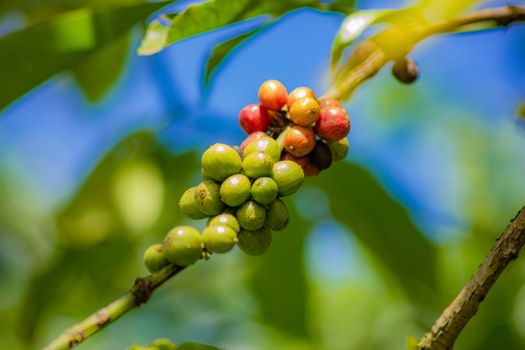
Coffee is an agricultural product, and like wine or apples, it carries the signature of where it grew. Growers, importers, and roasters talk about this as the coffee expressing its origin. Several factors combine to create that signature, and none of them acts alone.
- Growing location, including soil, rainfall, and the altitude of the farm
- Coffee variety, since different cultivars carry different flavor tendencies
- Processing method, meaning how the fruit was removed and the seed dried
- Roast level, which can highlight or flatten the flavors the origin produced
- Freshness and brewing, which decide how much of that reaches your cup
Because a single origin has no blending partner to smooth over rough edges or fill in gaps, every one of those factors shows up more clearly. That is the honest answer to why it tastes different. There is nothing added to hide behind.
Processing changes the cup as much as geography
Two coffees from the same farm, picked in the same season, can taste dramatically different if they were processed differently. Processing covers everything that happens between harvest and dried green coffee, including how long the fruit stays in contact with the seed. Fermentation styles, including anaerobic fermentation, where beans are held in a sealed environment during part of the process, push flavors in directions that geography alone would not predict. That is why a label naming both the farm and the processing method gives you a much better preview of the cup.
Variety matters in the same way. Rare varieties such as Gesha are known for a distinctive flavor profile, and a roaster who keeps that variety separate rather than blending it is making a deliberate choice about what you will taste.
Single Origin Coffee Compared with Blends
A blend combines coffees from several different origins. The point of blending is balance and repeatability, so a house espresso or a daily drip tastes roughly the same every time you buy it. Single origins do the opposite. They are meant to be specific, and they change as harvests change.
| Characteristic | Single Origin | Blend |
|---|---|---|
| Source of beans | One defined country, region, farm, cooperative, or microlot | Coffees combined from several different origins |
| Flavor goal | Express the character of one place | Consistency and balance across components |
| Varies between bags | Yes, especially with narrow lots and new harvests | Minimal by design |
| Best suited to | Tasting, pour-over, immersion, and exploring flavors | Predictable daily brewing and milk drinks |
Choosing between them is not a quality question. If you want to taste what a specific Ethiopian or Colombian lot is doing this season, buy the single origin. If you want the same cup every morning without thinking about it, a blend is the practical pick. Many home brewers keep both on the shelf and switch depending on the mood and the brewing method.
Reading a Single Origin Coffee Label
Labels are not standardized, so the amount of information varies wildly. These are the terms you will run into and what each one is actually telling you.
| Label term | What it tells you |
|---|---|
| Country | The broadest single origin claim, potentially drawing from many farms |
| Region | A narrower growing area with more consistent conditions |
| Farm or cooperative | A named producer or group of producers, often with a direct sourcing relationship |
| Microlot | A small, separated lot from one area of one farm, roasted a single way |
| Variety | The cultivar grown, such as Gesha, which carries its own flavor tendencies |
| Processing method | How the fruit was removed and the seed dried, including fermentation styles |
When a bag names the country, region, farm, variety, and processing method, you are looking at a coffee with genuine traceability behind it. When a bag says only single origin and nothing else, treat the term as a starting point rather than a promise.
How to Brew Single Origin Coffee Well
Because there is nothing blended in to balance the cup, brewing decisions land harder. A few adjustments make the most difference.
- Grind to suit the method. Pour-over and immersion brewing generally reward a medium grind, while espresso demands a much finer one.
- Keep the ratio steady. Weigh your coffee and water so you can tell whether a change came from the bean or from your measurements.
- Change one variable at a time. If a cup tastes thin, adjust grind or ratio before changing everything at once.
- Taste as the coffee rests. Flavors shift in the days after roasting, and a coffee that seems sharp early may round out with a few more days of rest.
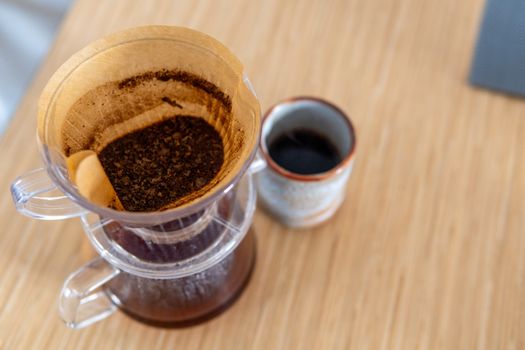
Pour-over and immersion methods are especially good for single origins because they let delicate floral and fruit notes come through. Espresso can work beautifully too, but it concentrates everything, so a coffee with unusual fermentation character will read very differently through a nine-bar extraction than through a paper filter.
Freshness and Where to Start
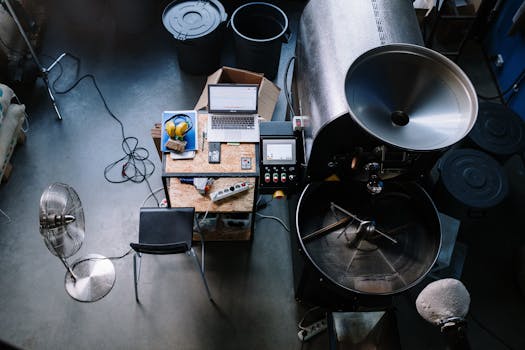
Single origin coffee is at its most interesting when it is fresh, since the volatile compounds behind those distinct flavors fade over time. Buying from a roaster who roasts in small batches on a weekly schedule, and who ships whole bean or ground in the weight you actually use, keeps more of that character in the cup. Buying a bag larger than you can finish within a few weeks is a common and avoidable mistake.
A practical approach for anyone new to the category is to pick two origins at opposite ends of the flavor range and brew them side by side. Comparing an Ethiopian coffee with a Colombian or Guatemalan one, using the same grinder and the same ratio, teaches you more in one session than reading a dozen descriptions. Once you know which end of the range you prefer, a subscription becomes a reasonable way to keep rotating through new lots without overcommitting to any single bag.
Frequently Asked Questions
Is single origin coffee better than a blend?
Not inherently. Single origin is a claim about where the beans came from, not about quality. A well-roasted blend can be excellent, and a poorly handled single origin can be dull. What single origin does offer is clarity: you taste one place and one set of decisions rather than a balanced combination, which makes it more informative and often more memorable.
Does single origin mean it all comes from one farm?
No. The term covers any single defined source, which may be a country, a region, a cooperative, or one farm. A microlot is the most specific version, described as one type of bean from one area of one farm roasted a single way. A bag labeled only by country can legally contain coffee from many farms within it.
What does microlot mean on a coffee bag?
A microlot is a small, separately tracked amount of coffee kept apart from the rest of a farm's harvest. Producers separate these lots for many reasons, including variety, a particular plot, or a specific processing method. Because the volume is small and the traceability is tight, microlots tend to show unusually distinct flavors compared with broader lots from the same region.
Is single origin coffee always organic?
No, these are unrelated claims. Organic refers to how the coffee was grown, without synthetic fertilizers, pesticides, or herbicides. Single origin refers to where the beans came from. A coffee can be one, both, or neither, so check the bag for a separate organic certification if that matters to you.
Why does my single origin taste different from the last bag?
Coffee is a crop, and each harvest differs. Growing conditions shift, processing choices vary between lots, and freshness changes how flavors present in the weeks after roasting. Narrow lots from a single farm change the most, while wide country-level single origins stay more consistent. That variation is a feature of the category rather than a defect.


