

Specialty Coffee vs. Commercial Coffee: Key Differences
Justin VanHoyA single bag of coffee can tell two very different stories, depending on which shelf it came from. One bag may carry a familiar mass-market brand and a long shelf life. Another may list a specific farm, a processing method, and tasting notes like jasmine or stone fruit. That second bag belongs to a category known as specialty coffee, and the gap between it and commercial coffee runs much deeper than the label.
For casual drinkers, the difference can be hard to pin down. Both products come from the same plant, both are roasted, and both end up in a mug. Yet the way specialty coffee is grown, graded, sourced, roasted, and delivered sets it apart at almost every step. Understanding that journey makes it easier to see why specialty coffee tastes different, costs differently, and supports a different kind of supply chain.
What Is Specialty Coffee?
Specialty coffee is a term for the highest grade of coffee available. It is not a marketing phrase invented by a cafe owner. The term first appeared in 1974, when Erna Knutsen used it in an issue of Tea & Coffee Trade Journal. Knutsen used the phrase to describe beans of the best flavor, produced in special micro-climates.
That origin matters. From the beginning, specialty coffee was tied to flavor and to place. A bean grown at a particular altitude, in a particular soil, under particular weather patterns can develop characteristics that mass-market beans rarely show. The term has since grown to cover more than flavor alone. Today it also refers to the entire supply chain, from the farmer who picks the cherry to the roaster who develops the bean.
What Counts as Commercial Coffee?
Commercial coffee is the category most people grew up with. These are the blends sold in large quantities through grocery stores, big-box retailers, and national food service chains. They are usually roasted to be consistent, shelf-stable, and inexpensive to produce at scale.
Because commercial coffee is built around volume, it often combines beans from many countries and many farms into a single blend. This approach smooths out seasonal changes and helps a brand deliver the same basic flavor year after year. It also reduces traceability. When beans from hundreds of farms are mixed together, the person holding the bag cannot know where any individual bean came from or who grew it.
Commercial coffee also tends to be roasted well before it reaches the consumer, then ground and packed for a long shelf life. The priority is convenience and consistency. Specialty coffee operates on the opposite set of priorities.
How Grading Sets the Two Apart
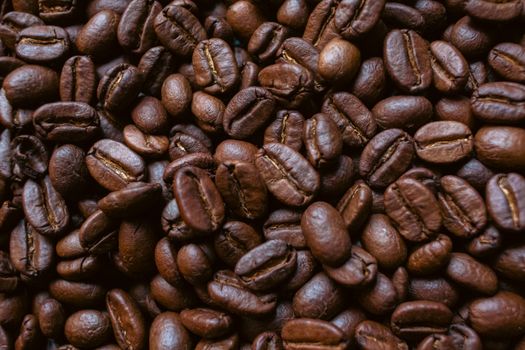
Specialty coffee is defined as the highest grade of coffee available, and that grade is earned rather than claimed. The label relates to the condition of the green beans, the care taken during harvest and processing, and the absence of defects that create off flavors.
Only beans that meet these standards can be called specialty. Everything below that bar, regardless of how it is packaged or marketed, functions as commercial-grade coffee. This is one of the clearest lines between the two categories. One is selected for exceptional quality, while the other is selected for scale and cost efficiency.
Grading also influences what happens after the coffee is picked. Because specialty beans are valued for their flavor potential, they are handled with more care during milling, drying, and transport. Commercial coffee moves through a faster, more industrialized pipeline where flavor preservation is less central to the process.
Sourcing and the Supply Chain
Specialty coffee typically relates to the entire supply chain, not just the moment of brewing. A roaster who buys specialty coffee is making decisions about where the coffee comes from, how farmers are paid, and how the beans are transported. Those decisions shape the final product and the people behind it.
Single-Origin and Single-Estate Coffees
Specialty coffee frequently uses single-origin or single-estate beans. That means the coffee in your bag can be traced to one farm, one cooperative, or one growing region rather than being blended with anonymous beans from around the globe.
Single-origin coffee gives drinkers a sense of place. A coffee from the highlands of Ethiopia will taste different from one grown in Colombia, Guatemala, or Rwanda. For roasters, offering single-origin lots is a way to highlight the work of specific producers and the character of specific landscapes. Commercial coffee blends away those distinctions in the name of uniformity.
Farmer Relationships and Payment Models
The supply chain for specialty coffee often includes direct relationships between roasters and growers. These arrangements can send more money back to the farm than conventional commodity trading does.
Some roasters have made this model central to their business. One Seattle-based roaster shares money from every bag with the farmer who grew the coffee, reporting that the amount is about twelve times more than the Fair Trade bonus. That kind of transparency is rare in commercial coffee, where the farmer is usually far removed from the end consumer.
Other companies go even further by controlling the entire chain. One specialty brand operates its own Ethiopian farm and roasts the coffee in Addis Ababa, moving from soil to roast under a single roof. For those roasters, quality and ethics are not separate concerns. They are part of the same system.
Traceability From Farm to Cup
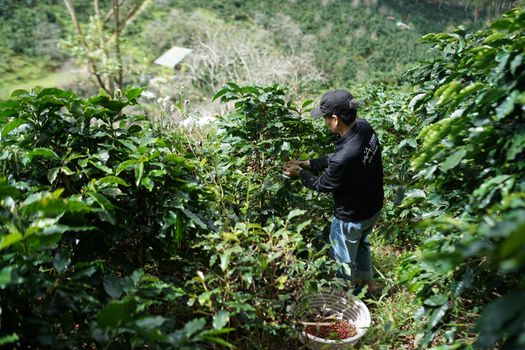
Because specialty coffee is connected to specific farms and regions, it can be traced in ways that commercial coffee cannot. Buyers can ask about altitude, harvest timing, varietal, and processing method. Online specialty retailers often publish those details before a customer ever clicks buy.
Services like Trade Coffee make traceability part of the shopping experience by offering specialty coffee from top roasters across the United States, with every bag roasted to order and shipped fresh. When a roaster can tell you exactly where a coffee comes from, the cup becomes more than a caffeine delivery system. It becomes a story about a place and the people who work it.
Roasting and Freshness
Freshness is one of the most practical differences between specialty coffee and commercial coffee. The two categories approach roasting with very different timelines and very different goals.
Roasted to Order Versus Roasted for Shelf Life
Commercial coffee is generally roasted for longevity. It needs to survive weeks or months on a supermarket shelf, so it is often roasted darker and packaged to stay "fresh" long after the flavors have flattened. Many drinkers have grown up thinking this bitter, ashy taste is simply what coffee tastes like.
Specialty coffee is different. Many specialty roasters roast in small batches on a weekly schedule, then ship the coffee directly to customers soon after roasting. The result is a product meant to be consumed within a short window of peak flavor, not held indefinitely in a pantry. Buyers of specialty coffee often look for a roast date on the bag, something rarely seen on commercial packaging.
Small-Batch Roasting and Unique Processing
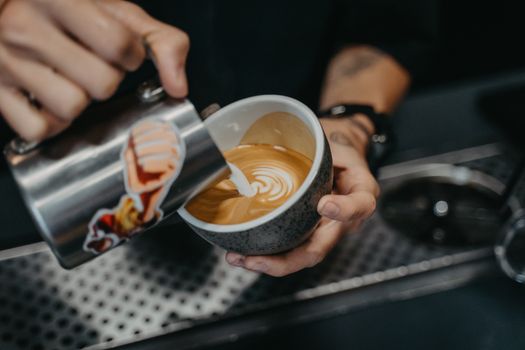
Small-batch roasting allows the roaster to develop each lot according to its own character. A delicate washed Ethiopian coffee and a bold anaerobic-processed Colombian coffee require different treatments, and a small-batch approach gives the roaster room to adjust.
Specialty coffee also pushes into unusual processing methods that rarely appear in commercial products. Techniques like anaerobic fermentation can create bold, smooth, unique flavors that stand apart from the generic profile expected from commercial blends. Rare varieties such as Gesha are another specialty-category signature, prized for their distinctive aromatics. Retailers like Haiku Brew roast these small lots fresh each week, offering them as whole bean or ground coffee in several weights and through subscription plans.
Flavor and the Experience in the Cup
The word specialty was coined to describe coffee of the best flavor, and flavor remains the clearest way to tell the two categories apart. Beans grown in special micro-climates can carry notes of citrus, caramel, chocolate, berries, florals, and more. These flavors are delicate, which is why specialty coffee is usually brewed with more care than a standard drip machine set to auto.
Commercial coffee aims for a single, familiar, roasted taste. It rarely offers the clarity or complexity found in specialty coffee because the beans themselves are not selected for those qualities. The difference is apparent in a side-by-side tasting. The specialty cup tends to taste cleaner and sweeter, while the commercial cup often tastes heavier and more bitter.
Where You See Each Category in the Real World
Commercial coffee dominates grocery aisles, office break rooms, and national fast-food counters. Specialty coffee lives in a different set of places, though it has grown far beyond a niche movement.
Independent specialty cafes now anchor coffee scenes in major American cities. Los Angeles has a long list of highly rated specialty shops, including Sharp Specialty Coffee, Rny Coffee Studio, Maru Coffee, and Rok Coffee and others. Austin is home to favorites such as Figure8 Coffee Purveyors, Caffe Medici, and Fleet Coffee Shop. Denver has hosted a nationally notable specialty coffee scene for many years. And Seattle, long associated with coffee culture, is home to craft roasters who emphasize direct farmer payments.
Online retail has made specialty coffee even more accessible. Roasters and multi-roaster marketplaces ship freshly roasted beans to homes across the country, removing the need to live near a specialty cafe. The rise of these services means anyone can compare coffees from different farms, regions, and roasters without leaving the kitchen.
Commercial Coffee and Specialty Coffee at a Glance
| Trait | Specialty Coffee | Commercial Coffee |
|---|---|---|
| Definition | Term for the highest grade of coffee available | Mass-market coffee sold at large scale |
| Sourcing | Often single-origin or single-estate | Typically blended from many anonymous sources |
| Supply chain | Relates to the entire chain from farm to cup | Farmer and drinker are far apart |
| Roasting | Often small-batch and roasted to order | Roasted for shelf stability and volume |
| Flavor goal | Best flavor from special micro-climates | Consistent, familiar, uniform taste |
How to Decide Which Coffee to Buy
There is no rule that forces anyone into one category forever. Many coffee drinkers keep a commercial bag for everyday convenience and buy specialty coffee when they want a better experience. The two options serve different needs, and knowing the difference makes the choice intentional.
If you value knowing where your coffee comes from, want to support farmers directly, and enjoy flavors that change from region to region and harvest to harvest, specialty coffee is the obvious fit. That is especially true if you brew with a pour-over, espresso machine, or immersion device and want beans that have been roasted recently enough to express their full character.
If you simply need a predictable cup with minimal effort and maximum convenience, commercial coffee will always be there. But once you taste a freshly roasted single-origin coffee with clear origin details and careful processing, the return trip can be difficult. Specialty coffee sets a different expectation for what the morning cup can be.
Frequently Asked Questions
What is the difference between regular coffee and specialty coffee?
Regular coffee, also called commercial coffee, is a mass-market product blended for consistency and long shelf life. Specialty coffee is a term for the highest grade of coffee available, typically relating to the entire supply chain and using single-origin or single-estate beans. The two differ in grading, sourcing, roasting freshness, and the flavor you get in the cup.
What does single-origin mean in specialty coffee?
Single-origin coffee comes from one farm, one estate, or one specific growing region rather than a blend of beans from many places. Specialty coffee frequently uses this approach because it allows drinkers to taste the character of a particular micro-climate. It also gives roasters and consumers a clearer connection to the farmers who produced the coffee.
Where can I buy fresh specialty coffee?
Specialty coffee is available at independent cafes and roasters, and increasingly through online retailers. Many online companies roast to order and ship fresh to your door, with some offering whole bean or ground coffee in several weights plus subscription plans. Look for retailers that provide origin details and a clear roast date rather than a distant best-by label.
Does specialty coffee really taste different from commercial coffee?
Yes. The term specialty was first used in 1974 to describe beans of the best flavor, produced in special micro-climates. Because those beans are handled with care and roasted close to the point of sale, their flavors remain intact. Commercial coffee, roasted for shelf life and consistency, tends to taste more uniform and less aromatic in comparison.


