
Natural vs. Anaerobic Coffee Processing: Understanding the Flavor Revolution in Specialty Coffee
Justin VanHoyCoffee processing methods have come a long way from traditional techniques, with natural and anaerobic processing standing out as two distinct approaches that significantly impact the final cup's flavor profile. As specialty coffee continues to evolve, understanding these methods helps coffee enthusiasts make more informed choices about their beans.
Short answer: natural processing dries the whole cherry in the sun and gives you a fruit-forward, heavier cup. Anaerobic processing ferments the cherries sealed with no oxygen, then dries them, which produces more intense, fermented, wine-like flavors. Neither is better. Natural is the safer everyday buy; anaerobic is what you reach for when you want something you have never tasted before.
| Natural process | Anaerobic process | |
|---|---|---|
| How it works | Whole cherry dries in the sun, fruit still on the seed | Cherries sealed in tanks with oxygen excluded, then dried |
| Time | 3 to 6 weeks on drying beds | 3 to 15 days fermenting, then 2 to 4 weeks drying |
| Flavor signature | Blueberry, strawberry, stone fruit, red wine | Tropical fruit, jam, rum, cinnamon, heavy floral |
| Body | Fuller and rounder | Medium to full, often syrupy |
| Acidity | Soft, rounded | Higher, sometimes sharp |
| Sweetness | Fruit-sugar sweetness | Fermented, candy-like sweetness |
| Consistency | Weather dependent | Controlled, but technique dependent |
| Typical price | Moderate | Premium, usually $5 to $15 more per bag |
| Best for | Everyday drinking, milk drinks | Pour over, cupping, chasing new flavors |
Natural Processing: The Time-Honored Tradition
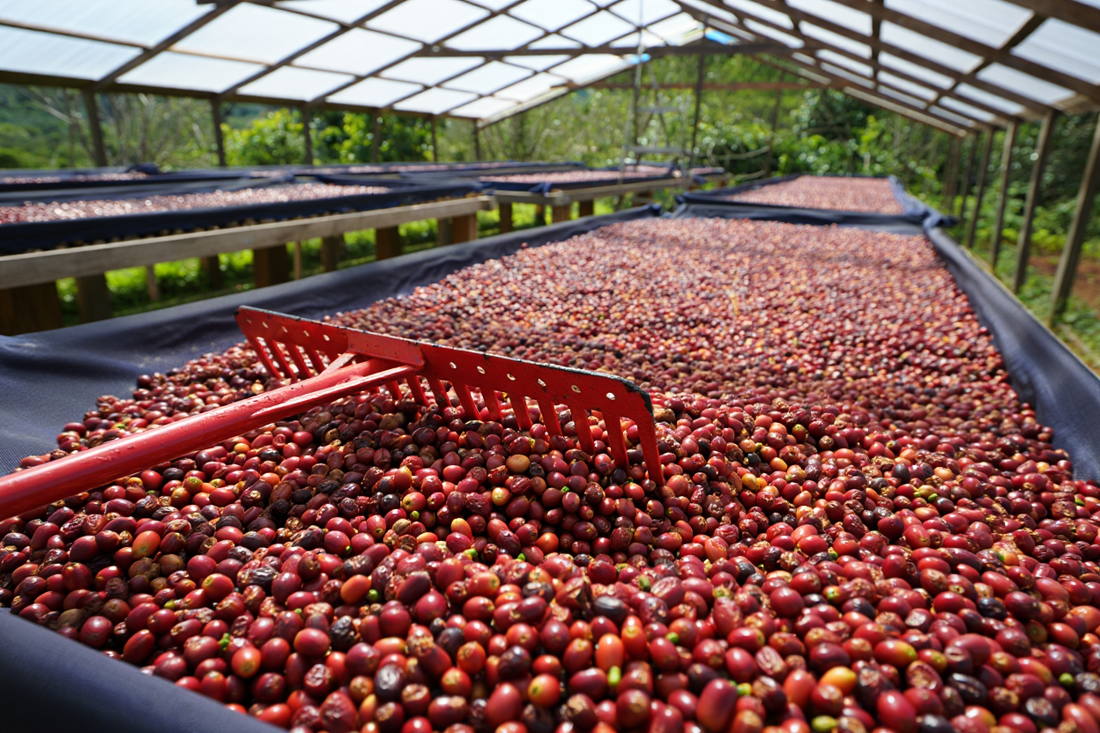
Natural processing, also known as dry processing, is one of the oldest methods of preparing coffee beans. In this method, freshly picked coffee cherries are dried in the sun with their fruit intact. The process typically takes 3-6 weeks, during which the cherries are regularly turned to ensure even drying and prevent mold growth.
Key characteristics of natural processed coffees:
- Fuller body
- Enhanced sweetness
- Prominent fruit notes
- Wine-like complexity
- Berry-forward flavors
The natural process allows the coffee beans to absorb compounds from the cherry's flesh during the drying period, resulting in distinctive flavor profiles that often feature notes of blueberry, strawberry, or tropical fruits. This method is particularly popular in regions with limited water resources, such as Ethiopia and parts of Brazil.
Anaerobic Processing: The New Wave Innovation
Anaerobic processing represents the cutting edge of coffee processing technology. This method involves fermenting coffee cherries or depulped beans in a sealed environment without oxygen. The controlled environment allows for precise manipulation of variables such as temperature, pressure, and fermentation time.
Key characteristics of anaerobic processed coffees:
- Unique flavor profiles
- Enhanced acidity
- Complex fermented notes
- Consistent results
- Experimental potential
The anaerobic process creates distinct flavor profiles that can include:
- Winey notes
- Tropical fruit flavors
- Floral aromatics
- Complex acid structures
- Enhanced sweetness
Comparing the Impact on Flavor
The primary distinction between these methods lies in how they affect the coffee's final taste profile. Natural processing tends to produce coffees with more traditional fruit-forward flavors and fuller bodies, while anaerobic processing can create more experimental and intense flavor profiles.
Natural Processing Flavor Profile:
- More predictable outcomes
- Classic fruit notes
- Balanced sweetness
- Round mouthfeel
- Clean finish
Anaerobic Processing Flavor Profile:
- More experimental results
- Intense fruit notes
- Higher complexity
- Unique fermented characteristics
- Distinctive acidity
Environmental Considerations
Both processing methods have different environmental impacts. Natural processing requires less water and equipment, making it more environmentally friendly in some aspects. However, it requires more space for drying beds and longer processing times. Anaerobic processing, while more controlled, requires specialized equipment and more technical expertise but can be more water-efficient than traditional washed processing.
Quality Control Challenges
Natural Processing Challenges:
- Weather dependent
- Risk of over-fermentation
- Requires careful monitoring
- Longer processing time
- Potential for inconsistency
Anaerobic Processing Challenges:
- Requires specialized equipment
- Need for technical expertise
- Precise parameter control
- Higher initial investment
- Risk of off-flavors if not properly controlled
Market Impact and Consumer Preferences
The specialty coffee market has seen growing interest in both processing methods, with anaerobic coffees often commanding premium prices due to their unique profiles and production complexity. Natural processed coffees maintain strong appeal among consumers who appreciate their traditional characteristics and reliable flavor profiles.
Choosing Between Natural and Anaerobic Coffees
For coffee enthusiasts, the choice between natural and anaerobic coffees often comes down to personal preference and desired flavor experience:
Choose Natural Process if you prefer:
- Traditional coffee profiles
- Pronounced fruit sweetness
- Fuller body
- More predictable flavors
- Classic coffee experiences
Choose Anaerobic Process if you enjoy:
- Experimental flavor profiles
- Intense and unique tastes
- Complex acidity
- Novel coffee experiences
- Distinctive fermented notes
Anaerobic Coffees to Start With
If the table above sold you on anaerobic, start with something balanced rather than the most extreme bottle-ferment on the shelf. Our Colombia Gesha Anaerobic Honey is the easiest entry point: heavy florals and honey sweetness with a touch of chocolate. The Ethiopia Gori Gesha 72 Hour Anaerobic Natural is the wilder one, with strawberry, raspberry, and a bright limoncello finish.
The Future of Coffee Processing
As the specialty coffee industry continues to evolve, both natural and anaerobic processing methods will play crucial roles in shaping coffee's future. While natural processing maintains its historical significance and reliable results, anaerobic processing opens new possibilities for flavor development and quality control.
Conclusion
Both natural and anaerobic processing methods offer unique advantages and contribute differently to the coffee's final cup profile. Understanding these differences helps coffee lovers make informed decisions about their coffee selections and appreciate the craftsmanship behind each cup. Whether you prefer the traditional fruit-forward notes of natural processed coffees or the experimental profiles of anaerobic processed beans, both methods demonstrate the incredible diversity and potential within specialty coffee.
Frequently Asked Questions
Is anaerobic coffee stronger than natural coffee?
No. Caffeine content depends on the variety and the roast, not the processing method. Anaerobic coffees taste more intense, which people often mistake for a stronger kick.
Why is anaerobic coffee more expensive?
It needs sealed tanks, temperature control, and daily monitoring, and a batch that goes wrong is a total loss. That risk is built into the price, which is why the best lots sell for several dollars a pound more than a comparable natural.
Which is sweeter, natural or anaerobic?
Both are sweet, just differently. Natural sweetness reads as ripe fruit. Anaerobic sweetness reads as jam, syrup, or candy.
Is anaerobic coffee safe to drink?
Yes. Fermentation happens in a controlled environment, and the roast kills anything that survives it. Coffee that has actually spoiled is obvious in the cup, not hidden.
Can I brew anaerobic coffee in a drip machine?
You can, but you will lose some of the floral top notes. A pour over or a cupping gets more out of an expensive anaerobic lot.


