

How to Brew Anaerobic Coffee for Its Unique Flavors
Justin VanHoyAnaerobic coffee is not a roast level, a variety, or a brewing device. It is a processing style, and that distinction matters at the brew station. The flavors people chase in these coffees, which can include fruit-forward and fermented aromatics, come from what happened to the cherry or the bean before it ever reached a roaster. Your job when brewing is not to create those flavors. Your job is to avoid burying them.
That changes a few decisions. Anaerobic coffees reward brewing methods that preserve aromatic complexity rather than stripping it, and most anaerobic naturals perform best in filter brewing. Within that frame, the adjustments are small: grind, water temperature, agitation, and how you finish the pour. This guide walks through those choices in a practical order, from what the process does to the bean to how to tell whether your last cup was under or over extracted.
What Anaerobic Fermentation Actually Does to the Bean
"Anaerobic" refers to an environment without oxygen. In normal washed processing, the pulp is removed from the coffee cherry and the beans are fermented with air present. In anaerobic fermentation, coffee cherries or beans ferment inside sealed tanks with limited oxygen exposure. Those sealed tanks can be large barrels or purpose-built vessels, and the point is control: the producer is managing an environment rather than leaving it to ambient conditions.
Inside that environment, yeasts and bacteria break down carbohydrates such as sugars. The result is a set of organic compounds that affect flavor and aroma in the finished cup. This is why anaerobic coffees so often read as more intense, more layered, or more unusual than a clean washed coffee from the same farm. The fermentation is not adding a flavoring. It is shifting the chemistry that produces aromatics.
It also means these coffees are polarizing. Some drinkers find the intensity thrilling, and others find it overwhelming, which is a fair reaction to a process built to push aromatic expression further. A related sealed-environment approach, carbonic maceration, sits in the same family of processing experiments. Both are conversations about fermentation, and both reward a brewer who pays attention to the cup rather than defaulting to a recipe.
Why Anaerobic Coffees Reward a Gentler Brew
Because the aromatic complexity is the whole point, the brewing approach should be protective. Filter brewing is the natural starting place for most anaerobic naturals, and it works for a simple reason: it gives you control over extraction speed and lets delicate aromatics land in the carafe instead of being pushed past their peak.
A gentle brew does not mean a weak one. It means avoiding the two things that flatten an expressive coffee: water hot enough to scorch the aromatics, and agitation aggressive enough to over-extract the bitter compounds hiding underneath the fruit. If you normally brew by feel and adjust as you go, keep that habit. Anaerobic coffees respond well to small, deliberate changes rather than dramatic ones.
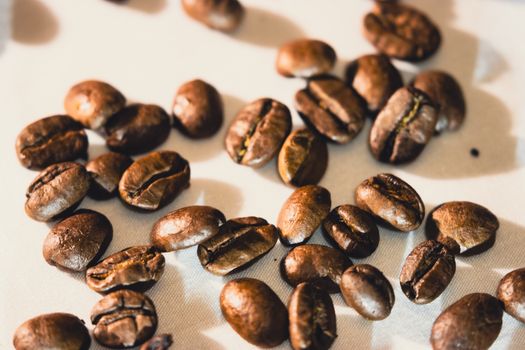
Set the Grind and Water Before You Touch the Recipe
Grind is the most common place these coffees go wrong. Start with a grind close to what you use for a washed filter coffee of similar roast level, then plan to adjust. If the cup tastes muddy or the finish turns sharp and drying, move coarser. If the cup tastes thin, hollow, or sour in a way that reads as unfinished rather than bright, move finer in small steps.
Water matters just as much. Very soft water can leave an anaerobic coffee tasting flat and muted, because there is little mineral content to carry the aromatics forward. Very hard water can bury the fruit under a chalky, drying texture. If your tap water is extreme in either direction, a neutral bottled water or a simple mineral adjustment is a reasonable experiment before you blame the beans.
Temperature is the third lever. Water that is too hot pushes extraction forward quickly and can flatten the aromatic top notes that make these coffees distinctive. Dropping the temperature slightly, and pouring with a little more patience, often gives a cleaner, more layered cup. Try one change at a time so you know which one helped.
Matching the Method to the Coffee
Pour-over for clarity and aroma
A pour-over is the most direct way to taste what the fermentation did. Use a moderate grind, a slow and steady pour, and minimal agitation after the bloom. Keep the bed level and let the water do the work. The goal is a clean cup where the aromatic top notes survive to the last sip rather than a heavy body that smothers them.
Immersion for body and forgiveness
Full immersion, whether in a French press or another steeping brewer, is more forgiving of grind inconsistency and tends to produce a rounder cup. It can soften the sharper edges of a very intense anaerobic coffee, which some drinkers prefer. Use a slightly coarser grind than you would for pour-over, and separate the grounds promptly once the steep is finished so the cup does not keep extracting.
Espresso for concentration, with care
Anaerobic coffees can make striking espresso, but the concentration magnifies everything, including any harshness. Expect to grind coarser than you would for a dense washed coffee, and expect the shot to run differently. Taste before you commit to a full bag. A coffee that is thrilling as a filter brew can be overwhelming at espresso strength, and that is a preference question, not a flaw.
Dialing In by Reading the Cup
Instead of chasing a recipe from someone else's setup, taste and respond. A few signals are reliable.
The cup smells spectacular but tastes thin: extract a little more, with a finer grind or slightly hotter water.
The cup is sharp and drying on the finish: extract less, with a coarser grind or a shorter contact time.
The cup tastes muddy and the aromatics are missing: reduce agitation and pour more gently.
The cup tastes flat and lifeless: check your water before changing anything else.
The cup is pleasant but one-dimensional: try a different brewer, since immersion and percolation pull different things out of the same beans.
Keep notes. Anaerobic coffees vary enormously from one lot to the next, and a recipe that flattered one producer's coffee may fight another's. A short record of grind, water, and method will save you from repeating a mistake you cannot remember making.
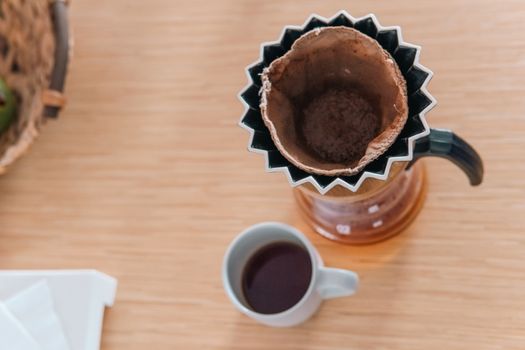
Common Mistakes With Anaerobic Coffee
The first mistake is treating these beans like a dark, sturdy comfort coffee. Heavy agitation and very hot water will extract the roast and the fermentation together into something muddy. The second is over-correcting: dropping temperature and grind so far that the cup goes thin and sour, then concluding the coffee is bad.
The third mistake is brewing a large batch and letting it sit. Aromatic compounds fade, and an anaerobic coffee that tasted vivid at minute two can taste flat at minute twenty. Brew closer to the amount you will drink, and serve it promptly.
Finally, give the coffee room to be strange. Some drinkers find the fermentation note too much, and that reaction is common enough that it comes up in coffee communities. If a cup reads as too intense, try a gentler filter brew or a lower dose before you write off the whole category.
Buying and Storing Anaerobic Coffee
Anaerobic lots are often small and seasonal, so the bag you love may not be available next month. Whole bean coffee, stored in a sealed container away from light and heat, gives you the most control over how the aromatics hold up. Grinding immediately before brewing is the single easiest improvement for a coffee this expressive.
At Haiku Brew, coffees featuring anaerobic fermentation are roasted fresh weekly and shipped as whole bean or ground in multiple weights, which makes it easy to try a small amount before committing to a larger bag. If you are new to the category, start small, brew carefully, and let the first bag teach you what your setup prefers.
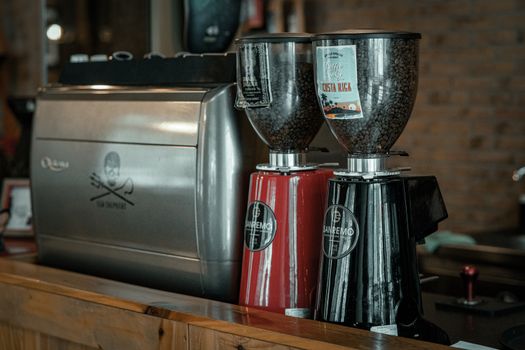
Serve It Warm, Not Hot, and Taste as It Cools
The most rewarding moment with an anaerobic coffee often arrives a minute or two after you pour. As the cup cools slightly, the aromatics separate and become easier to identify, and the sweetness tends to read more clearly. Resist the urge to drink it immediately at full heat.
Smell before you sip. Then sip again after the cup has cooled further. You will likely find the flavor shifts, sometimes noticeably, and that shift is the clearest evidence of the complexity the fermentation created.
Frequently Asked Questions
Does anaerobic coffee always taste fermented?
Not always, but fermentation is the defining variable. During anaerobic fermentation, yeasts and bacteria break down sugars and produce organic compounds that affect flavor and aroma. How strongly that reads in the cup depends on the lot, the producer's process, and the roast. Some cups are subtle and fruit-forward, while others are intensely aromatic and polarizing.
Is anaerobic coffee higher in caffeine?
The available research on anaerobic processing does not establish a caffeine difference, and caffeine content is largely tied to the coffee variety, the dose you brew, and your extraction rather than the fermentation style. If caffeine is a health concern for you, treat the processing method as unrelated and ask the roaster directly.
What grind size should I use for anaerobic coffee?
Start near the grind you use for a washed filter coffee of similar roast level, then adjust from the cup. If it tastes muddy or drying, go coarser. If it tastes thin and unfinished, go finer in small steps. Immersion brewers generally want a coarser grind than pour-over.
Can I brew anaerobic coffee in a French press?
Yes, and immersion is a forgiving option for these coffees. The rounder body can soften a very intense fermentation note. Use a slightly coarser grind than for pour-over, separate the grounds promptly when the steep ends so extraction stops, and serve it soon after brewing so the aromatics stay vivid rather than fading in the carafe.
Is anaerobic fermentation the same as carbonic maceration?
No. They are related experiments that both use sealed environments with limited oxygen, but they are treated as distinct processing methods in specialty coffee. Producers and roasters usually name the specific process on the bag, so check the label or ask the roaster which method the lot went through before comparing two coffees.


