

Home Coffee Brewing Techniques for Specialty Beans
Justin VanHoySpecialty coffee is expensive enough that a bad brew feels personal. You open a bag of Ethiopian beans with a peach note on the label, brew it the way you always brew, and get something flat and slightly bitter. Nothing is wrong with the coffee. The variables around it drifted.
The good news is that great home brewing is not a long list of rules. It is a short list of variables you control, plus a habit of tasting and adjusting. Once those are in place, a rare variety like Gesha or an anaerobic fermented lot from Haiku Brew's lineup will show you what it is actually made of, rather than what your routine happened to pull out of it.
What Specialty Coffee Actually Means in the Bag
Formal definitions of specialty coffee vary between organizations and certifying bodies, so it helps to look at the practical markers instead. Specialty coffee is bought and sold on traceability and quality rather than as an anonymous commodity. In the bag, that usually means a named origin, a specific producer or farm, a varietal, and a processing method.
Haiku Brew's catalog follows that model: single-origin lots from Colombia, Ethiopia, Guatemala, and Rwanda, rare varieties such as Gesha, and processing methods including anaerobic fermentation. Each of those details changes how the coffee behaves in your kitchen. A washed high-grown lot tends to brew clean and bright, while an anaerobic fermented coffee often carries more fruit intensity and can turn muddy if you grind too fine or steep too long.
That is the real reason technique matters. You are not trying to extract a generic coffee flavor. You are trying to let a specific lot express itself.
Freshness Sets the Ceiling on Everything Else
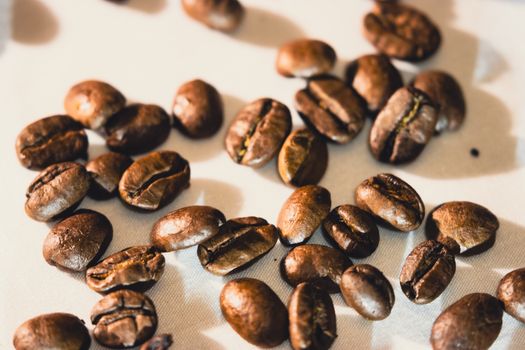
No grinder or brewer can rescue stale coffee. Roasted beans release gas for days after roasting, which is why a freshly roasted bag can look puffy and why a bag roasted weeks ago tastes thin. Haiku Brew roasts fresh weekly, and that schedule is the single biggest advantage a specialty buyer has over a supermarket shopper.
Three habits protect that advantage:
- Buy whole bean and grind immediately before brewing. Pre-ground coffee loses aroma quickly because so much surface area is exposed.
- Store beans in an airtight container away from light and heat. A bag with a one-way valve works well if you press out excess air.
- Skip the refrigerator. Beans pick up odors and condensation there, and the freezer only helps if you portion and seal carefully for long-term storage.
Very fresh roasts can taste slightly gassy or muted for the first few days. If a bag seems flat on day two, give it a few more days before you start changing your recipe.

Grind Size Is the Biggest Lever You Own
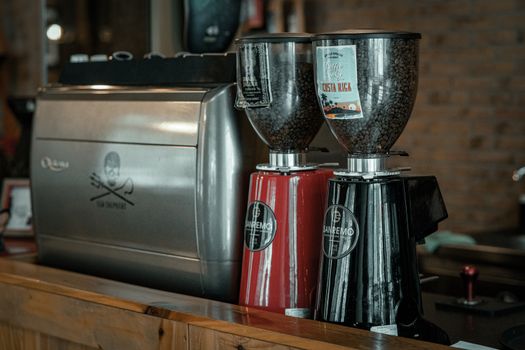
If you change one piece of equipment, make it the grinder. A burr grinder produces particles of a consistent size, and consistency is what makes extraction predictable. Blade grinders create a mix of powder and boulders, so some of the coffee over-extracts while the rest under-extracts, and the cup tastes both bitter and sour at once.
Grind size controls how fast water reaches the inside of each particle. Finer grinds expose more surface and extract faster. Coarser grinds slow everything down. Adjust in small steps, brew again, and taste before you change anything else. Chasing two variables at once is how home brewers end up with a shelf of half-empty bags and no idea what went wrong.
Match the Brew Method to the Bean
Every common home method can make excellent specialty coffee. They differ in body, clarity, and how forgiving they are. The table below gives widely used starting points. Treat them as places to begin, not final answers, because your grinder, water, and taste will shift every number.
| Method | Grind | Starting point | Suits |
|---|---|---|---|
| Pour-over | Medium fine, like table salt | Around 1:16 coffee to water, adjusted to taste | Bright, layered single origins where clarity matters |
| Immersion (French press) | Coarse | Around 1:15, full steep then press | Heavier body and fruit-forward anaerobic lots |
| Espresso | Fine | Adjust grind until the shot flows evenly | Dense beans and milk drinks |
| Cold brew | Coarse | Long steep, then dilute to taste | Sweet, low-acid drinking |
Pour-over for clarity
Pour-over rewards attention. Rinse the filter to remove paper taste, add the grounds, and wet them evenly before the main pour. Keep the water level steady and avoid dumping everything in at once. The payoff is separation: you can taste the difference between a floral Ethiopian lot and a caramel-leaning Guatemalan one in the same session.
Immersion for body and forgiveness
French press and similar immersion brewers steep the coffee in water for the full contact time, then separate the grounds. The method is forgiving of small grind errors and produces a rounder, heavier cup. It works particularly well with anaerobic fermented coffees, where the intense fruit character benefits from a slower, gentler extraction.
Espresso and cold brew
Espresso demands the most from a grinder because small changes in particle size show up immediately in the flow. Cold brew sits at the other extreme: coarse grounds, cold water, and hours of steeping with very little intervention. Both are worth learning, but neither is the best place to start if you are still figuring out your palate.
Water Carries the Flavor
Coffee is mostly water, so the water is not a neutral ingredient. Heavily chlorinated tap water flattens aroma. Overly soft water can make coffee taste hollow, and water softened with sodium can taste salty. Filtered water is a reasonable baseline for most homes.
Temperature matters too. Water just below boiling works well for light roasts, which need energy to release their acidity and aromatics. Darker roasts extract faster, so slightly cooler water keeps them from turning bitter. If your kettle has no temperature control, let it sit briefly after boiling.
Let Taste Be Your Feedback Loop
You do not need a lab notebook to dial in a coffee. You need two words: sour and bitter. They point in opposite directions, and they tell you exactly which way to move.
- Sharp, sour, thin, or salty usually means under-extraction. Grind finer, raise the water temperature a little, or extend the brew time.
- Drying, bitter, ashy, or hollow usually means over-extraction. Grind coarser, lower the temperature, or shorten the contact time.
- Both at once often points to an uneven grind or a brew that channeled, letting water run through one path instead of the whole bed.
Change one variable per brew and note what you did. Two or three rounds usually gets you close, and the record saves you from repeating the same experiment next month with a new bag.
Keep Notes That You Will Actually Read
A detailed brewing log is easy to start and hard to maintain. A few lines in a notes app is enough: the coffee, the roast date, the method, the grind setting, the ratio, and one sentence about how it tasted. When the same origin comes back in a later order, those notes become a shortcut instead of a guessing game.
It also helps to record which processing method you were drinking. Washed, natural, and anaerobic coffees behave differently enough that a recipe tuned for one may need adjustment for another. Haiku Brew lists processing details on its product pages, which makes that comparison possible.
Build a Buying Rhythm Around Your Brewing
Most home brewers drink coffee daily and buy beans occasionally. That mismatch is the source of the stale bag in the cupboard. Buying smaller amounts more often, or using a subscription, keeps your supply matched to your actual consumption. A subscription also removes the decision fatigue of choosing a new coffee every time and nudges you toward origins and varieties you might not have picked yourself.
Start with one method you enjoy, one coffee you can taste clearly, and one variable at a time. Once your routine is steady, a rare Gesha or an anaerobic lot stops being a gamble and becomes a genuinely different cup from the one you made last week.
Frequently Asked Questions
How much coffee should I use for one cup?
A common starting point is around one part coffee to sixteen parts water by weight, which suits many pour-over setups. From there, adjust to taste. More coffee gives a stronger, heavier cup and less gives a lighter one, but strength is separate from extraction, so change the ratio only after you have settled your grind.
Does grind size matter if I buy pre-ground coffee?
Yes, but you lose control. Pre-ground coffee is fixed to one grind, so you cannot fine-tune extraction. Match the grind to your brewer when ordering, use it promptly because it stales faster than whole bean, and adjust ratio, water temperature, and brew time to compensate for what you cannot change.
How long do specialty beans stay fresh?
Freshness fades gradually rather than stopping on a fixed date. A bag roasted within the past week or two generally shows the most character, especially for filter brewing. After that, aroma declines. Check the roast date on the bag, buy in amounts you will finish, and store beans sealed away from light and heat.
Is a coffee subscription a good fit for a home brewer?
It can be, especially if you drink coffee regularly and want variety without planning. A subscription keeps a steady supply arriving before the previous bag goes stale, and it exposes you to origins and processing methods you might not choose on your own. Choose a delivery interval that matches your actual pace.
Can I brew a rare variety like Gesha in a French press?
You can, and the result can be excellent. Immersion highlights body and sweetness, which suits delicate florals well. Use a coarse grind, keep the steep gentle, and pour carefully to leave the sediment behind. If you want maximum clarity from a prized lot, a pour-over will separate the flavors more cleanly.


