

What Is Specialty Coffee? Grade, Sourcing, and Flavor
Justin VanHoySpecialty coffee is a term for the highest grade of coffee available, typically relating to the entire supply chain, using single-origin or single-estate coffee. That definition sets the bar higher than a good cup at a neighborhood cafe. The phrase describes both a quality tier and a way of working that stretches from the farm where the cherries were picked to the bag sitting on your kitchen counter.
Two ideas follow from that definition. First, specialty coffee is graded as the top tier of the market rather than applied as a loose marketing label. Second, the term covers the supply chain as a whole, which means the care has to hold up at every stage: growing, picking, processing, export, roasting, and brewing. One weak link and the coffee stops being what it claims to be.
Where the Term Came From
Specialty coffee has a specific origin. The term was first used in 1974 by Erna Knutsen in an issue of Tea & Coffee Trade Journal. Knutsen's phrasing caught on, and over the following decades it became the standard way the trade describes the top tier of coffee, separate from the bulk commodity market where coffee moves as an undifferentiated ingredient.
That history explains why the phrase now appears everywhere, from roaster websites to cafe chalkboards, and why so many people use it loosely. Knowing where it came from helps you separate a description of quality from a description of style. A coffee is not specialty because it is dark roasted, expensive, or served in a minimalist cafe. It is specialty because of the grade of the coffee itself and how the supply chain was handled.
Why the Whole Supply Chain Matters
Because the definition ties specialty coffee to the entire supply chain, traceability sits at the center of it. A bag that names a country, a region, a farm, or a specific lot gives you something concrete to evaluate and something to compare across seasons. A bag that names none of those things gives you far less to work with.
The supply chain framing also explains why specialty roasters spend so much time talking about producers. Coffee quality is largely determined long before roasting begins. Growing conditions, picking decisions, and processing all shape what the roaster receives, which is why roasters tend to build recurring relationships with the farms they buy from instead of purchasing anonymously on the open market.
- Growing: the farm, the varietal planted, and the conditions at that elevation set the raw potential of the lot.
- Harvesting: selective picking of ripe cherries protects the sweetness and clarity that later show up in the cup.
- Processing: how the fruit is handled after picking is one of the biggest flavor variables in the entire chain.
- Export and shipping: green coffee has to be prepared and moved carefully so the quality built at the farm survives the journey.
- Roasting: the roast develops the flavors already present rather than creating them from nothing.
- Brewing: the final step, and the one most often responsible for a disappointing cup.
Single-Origin, Single-Estate, and Blends
Specialty coffee typically uses single-origin or single-estate coffee. Single-origin means the coffee comes from one origin, which might be a country or a smaller region within it. Single-estate narrows the definition further, pointing to one named estate or farm. Both approaches keep the flavor pointing in a single direction instead of averaging several origins together into an agreeable middle.
Blends still have a place. Retail catalogs routinely list blends and single-origin coffees as separate categories, and many roasters build blends deliberately, whether to hold a consistent flavor across harvests or to create a specific profile for espresso. Blending is a design choice, not a downgrade, as long as the components are specialty grade in the first place.
Processing Methods and Flavor
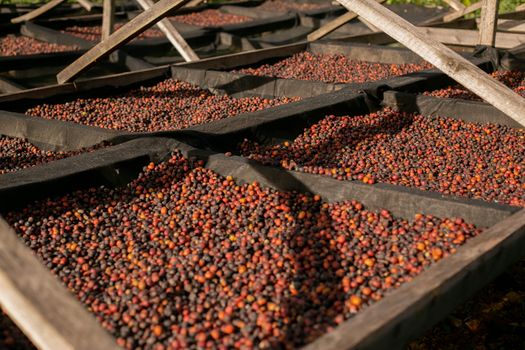
Processing refers to what happens to the coffee after picking and before it is dried and shipped. The method has an outsized effect on what ends up in the cup, and specialty roasters increasingly print it on the label next to the origin details.
What the Processing Label Tells You
Processing is one of the most useful details on a specialty bag because it is specific and checkable. It tells you how the producer handled the harvest in the weeks after picking, and it gives you a way to compare coffees from the same farm across different years. When a roaster lists altitude, varietal, and fermentation time alongside the processing method, you have enough information to understand why two coffees from the same country can taste nothing alike.
Anaerobic Fermentation
Anaerobic fermentation is one example of a processing approach that has moved from experimental lots into the mainstream of specialty coffee. The name refers to fermentation that takes place without oxygen, and coffees made this way often land far from the plain, nutty profile many drinkers expect from a standard cup. Haiku Brew features anaerobic fermentation in its small-batch, single-origin lineup.
Varietals Like Gesha
Varietal is the plant-level detail: the specific botanical variety of the coffee tree that produced the cherries. Some varietals are prized for a distinctive cup profile and are grown in limited quantities, which keeps them in regular rotation on specialty menus and in rare-coffee sections of retail sites. Gesha is one of the best known examples, and it appears in the Haiku Brew range alongside more widely planted varieties.
Roast Freshness and Roast Level
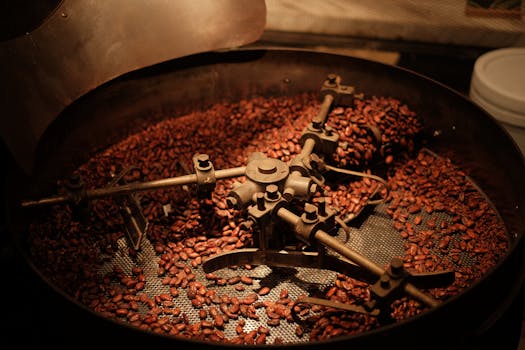
Roasting is the step that turns green coffee into the brown beans you grind. Freshness counts for a lot here. Haiku Brew roasts in small batches weekly, and shipping freshly roasted coffee is one of the main selling points across the online specialty retail segment generally.
Roast level is a separate question from grade. A single retail catalog can carry several hundred coffees split across light, medium, and dark roast profiles at the same time, which shows that specialty coffee is not confined to one roast style. Light, medium, and dark roasts can all qualify. The grade comes from the green coffee and the handling along the supply chain, while roast level is a flavor decision made afterward to steer the coffee in a particular direction.
Brewing Specialty Coffee at Home
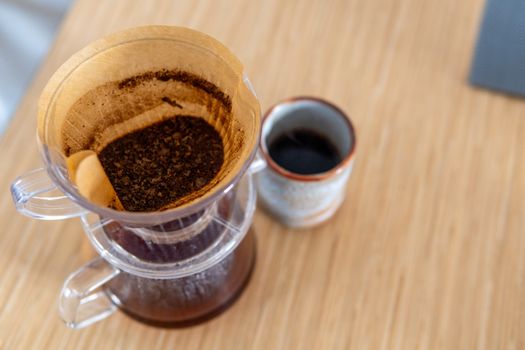
Good coffee can be undone at the brew stage, which is why equipment and technique get so much attention among home brewers. Three broad approaches cover most home setups: pour-over, espresso, and immersion brewing. Each asks something different from the coffee.
Pour-Over
Pour-over brewing rewards clarity. Grind size, water temperature, and how evenly you pour all influence the result, and the method tends to highlight the origin and processing notes that make a particular lot distinctive. It is a good way to evaluate a coffee on its own terms rather than burying it under milk or sugar.
Espresso
Espresso forces water through coffee under pressure in a short amount of time. It concentrates flavor dramatically, so small changes in grind, dose, and distribution show up quickly in the cup. A coffee that tastes balanced as pour-over can taste sharp or muddled as espresso, which is why roasters sometimes develop blends specifically for the method.
Immersion
Immersion brewing steeps the grounds in water before separating them. It is generally more forgiving of technique than either pour-over or espresso, which makes it a sensible starting point for anyone new to brewing at home, and a reliable option on busy mornings.
Whichever method you use, buying whole bean and grinding just before brewing preserves more of the aromatics than buying pre-ground. Pre-ground coffee is a reasonable trade for convenience, and specialty retailers sell both formats for exactly that reason.
How to Buy Specialty Coffee Online
Online retail is now a primary channel for specialty coffee. Trade Coffee lists more than 450 unique whole bean or ground coffees, and Bean Box catalogs more than 600 specialty coffees from top U.S. roasters, curated by a Cup of Excellence judge. Published roundups of American roasters run to dozens of names, including Coffee Bros., Onyx Coffee, Haiku Brew, Proud Mary Coffee, JBC Coffee Roasters, and Red Rooster. The breadth is real, and it makes knowing what to look for on a product page more useful than memorizing brand names.
| Label detail | What it tells you |
|---|---|
| Origin | Country, region, farm, or lot, which is the starting point for any traceability claim. |
| Varietal | The botanical variety of the tree, useful for comparing coffees within a single farm. |
| Altitude | Where the farm sits, a common reference point in origin notes. |
| Processing method | How the fruit was handled after picking, including fermentation style. |
| Fermentation time | How long the processing step ran, which helps explain intensity of flavor. |
| Format and weight | Whole bean or ground, and the bag size, so you can match the purchase to your brewing routine. |
Beyond the label, format matters. Haiku Brew sells whole bean and ground coffee in multiple weights and offers a subscription service, which suits drinkers who want a rotating supply rather than a single large purchase. Subscriptions are common across the category for the same reason: coffee is best within a window after roasting, so smaller, more frequent deliveries tend to beat stockpiling.
Questions Worth Asking Before You Buy
A short list of questions separates a genuinely specialty purchase from a bag with nice typography.
- Where exactly was this coffee grown, and can the roaster name the farm or lot?
- Which varietal is it, and is that varietal typical for the region?
- How was it processed, and how long did fermentation run?
- When was it roasted?
- Is it sold as whole bean, ground, or both, and in what weights?
- Does the roaster offer a subscription if you want to keep exploring?
If a product page answers most of those, you are looking at a retailer that treats specialty coffee as a standard rather than a slogan. If it answers almost none, the coffee may still be pleasant, but you have no way to judge whether it belongs in the top tier of the market.
Frequently Asked Questions
What makes coffee specialty?
Specialty coffee is a term for the highest grade of coffee available, and it typically relates to the entire supply chain rather than a single measurement. The coffee is usually single-origin or single-estate, meaning it can be traced to one place. Quality has to hold from growing and processing through roasting and brewing for the description to apply honestly.
Is specialty coffee the same as single-origin coffee?
No, although the two overlap often. Specialty refers to the grade of the coffee and the care taken across the supply chain, while single-origin describes where the coffee came from, whether a country or a smaller region inside it. A single-origin coffee can still be ordinary, and specialty blends exist alongside specialty single-origin lots.
Does specialty coffee have to be light roasted?
No. Retail catalogs list light, medium, and dark roast profiles side by side, sometimes across several hundred coffees in a single store, so roast level is not the same thing as grade. Roast level is a flavor decision the roaster makes to steer the coffee one way or another. Specialty coffee can be roasted to any of those profiles.
What does anaerobic fermentation do to coffee flavor?
Anaerobic fermentation is processing that takes place without oxygen. It tends to push flavors away from the plain, nutty profile many drinkers associate with standard coffee, which is why lots processed this way stand out on a menu. Haiku Brew carries coffees made with anaerobic fermentation for drinkers who want that distinctive character.
How should I store and brew specialty coffee?
Buy whole bean and grind just before brewing when you can, since grinding releases aromatics that fade quickly. Choose a brewing method that suits your routine: pour-over for clarity, espresso for concentration, or immersion for a forgiving process. Freshly roasted coffee from a small-batch roaster gives you the best starting point.


